How to Write Wildlife Blogs That Rank on Google
How to write wildlife blogs is something I had to learn step by step, especially while working with safari companies and tourism websites. At first, it was not easy, but over time, it was understood that wildlife blogs are not just about animals they are about storytelling, experience, and connection.
Today, well-written wildlife blogs are used to attract international travelers, improve SEO rankings, and turn readers into real safari clients.
Why Wildlife Blogs Are Important for SEO
Wildlife blogs are very powerful, especially for tourism businesses.
Because of this, websites that consistently publish blogs about wildlife, destinations, and safari experiences are ranked higher on Google.
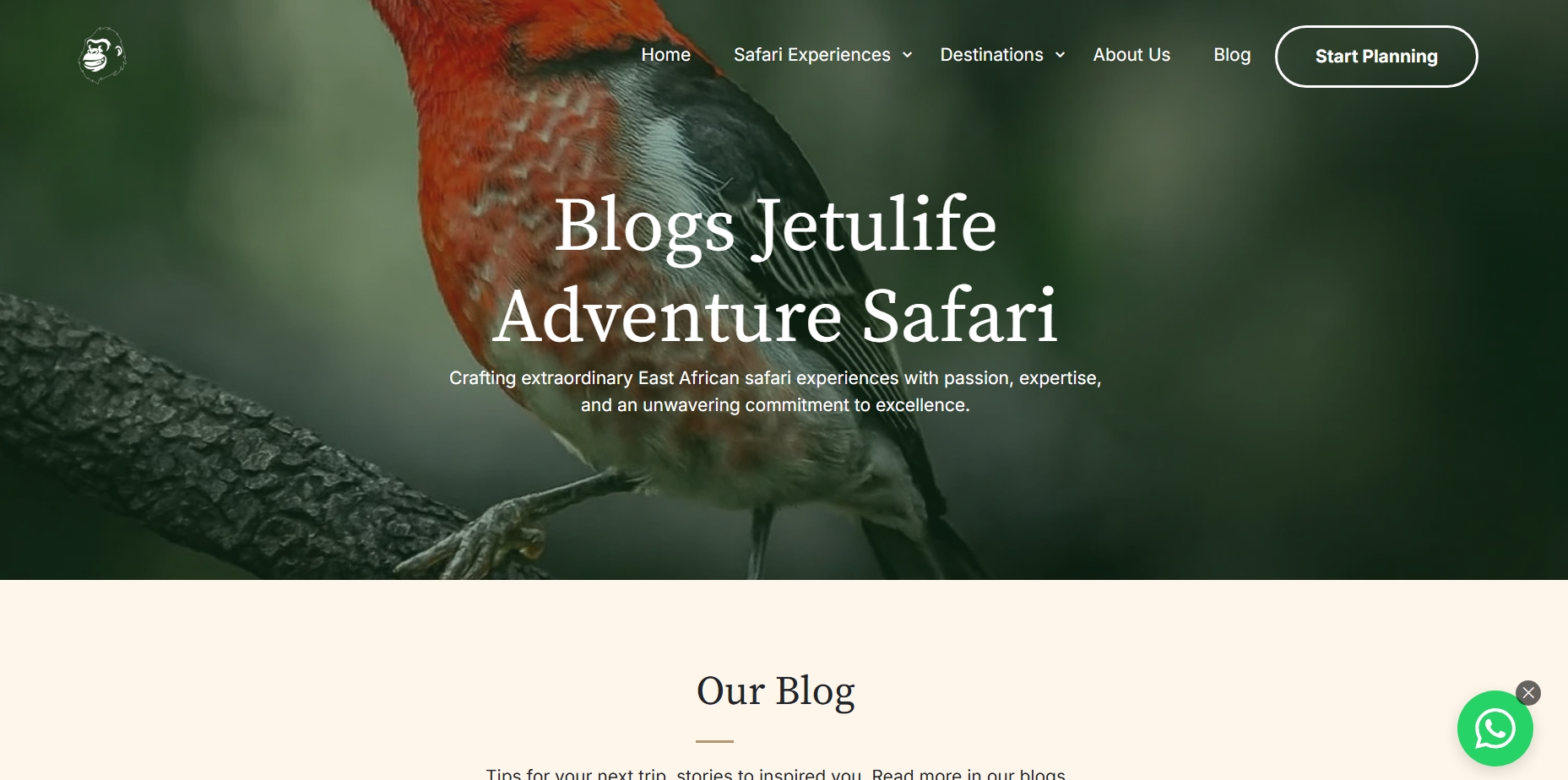
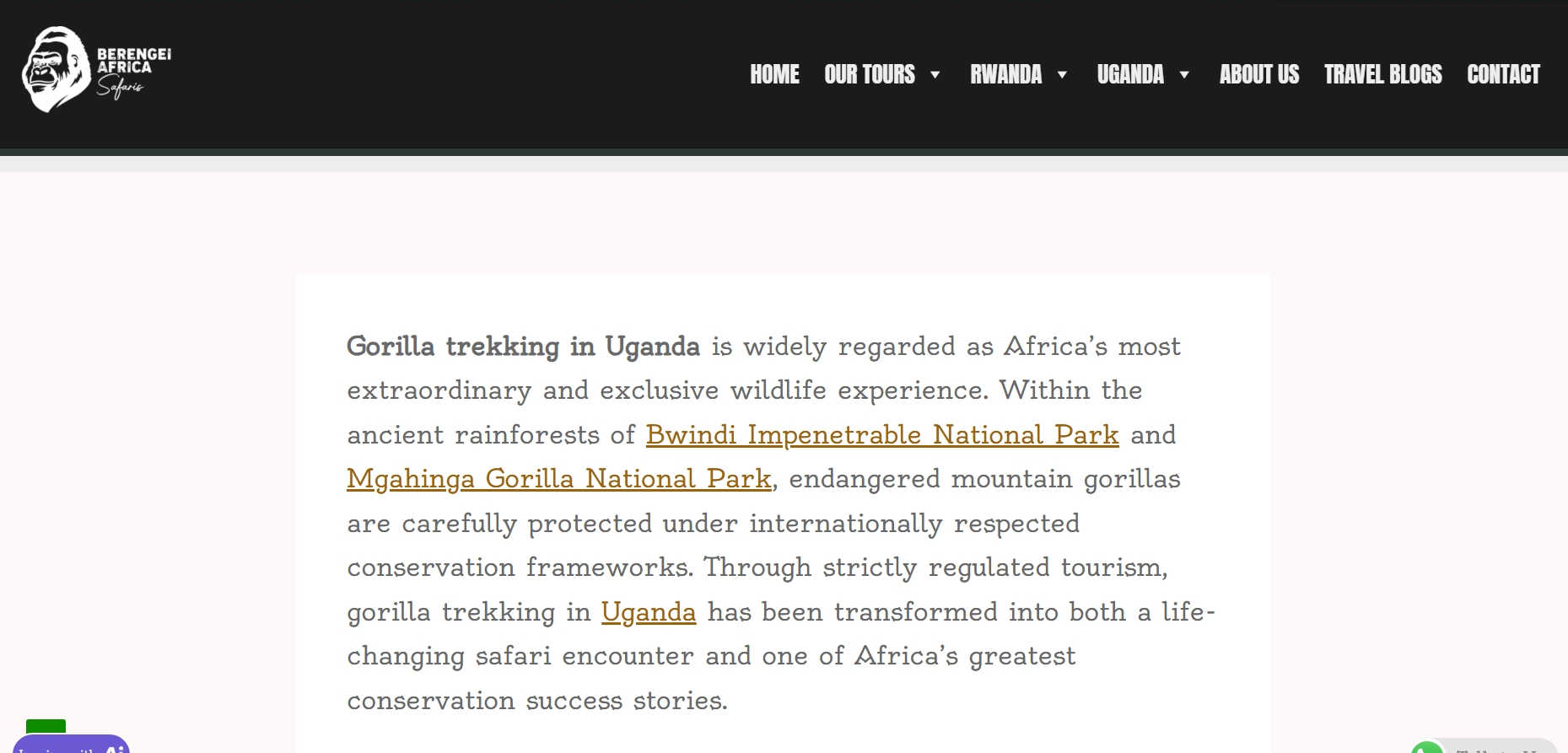
For example, a safari company can write about gorilla trekking, birding, or national parks. As a result, travelers searching for these experiences are able to find that website online.
In addition, wildlife blogs help to:
- Build trust with readers
- Show expertise in safaris
- Bring organic traffic
- Increase bookings
Step 1: Start with the Right Keyword
Before writing any wildlife blog, the keyword must be chosen first.
This is how I normally do it:
Instead of writing randomly, I focus on what people are searching for.
Examples of wildlife blog keywords:
- Gorilla trekking in Uganda
- Birding in Uganda
- African safari animals
- Best national parks in Uganda
Because of this, the blog is aligned with what users are already searching on Google.
Step 2: Write a Strong Introduction
The introduction is very important.
The keyword must appear in the first sentence.
For example:
“Wildlife blogs are one of the best ways to showcase Africa’s beauty and attract travelers online.”
This tells Google exactly what the article is about.
At the same time, the reader is given a clear idea of what to expect.
Step 3: Structure Your Blog with Clear Headings
Wildlife blogs should never be written as one long paragraph.
Instead, they should be broken into sections like:
Types of Wildlife in Uganda
Best Places to See Wildlife
Wildlife Safari Experiences
Tips for Wildlife Viewing
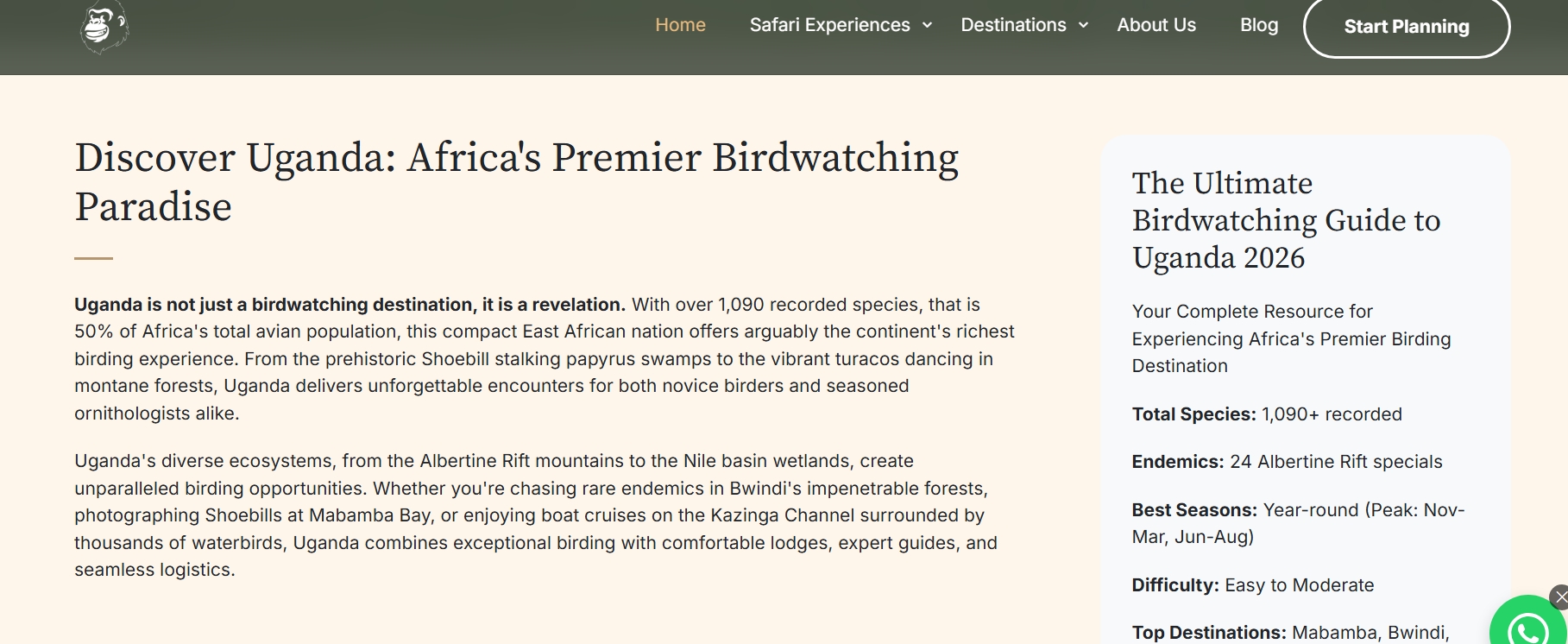
Because of this structure, the content becomes easy to read and easy for Google to understand.
Step 4: Use Storytelling (This Is the Secret)
Wildlife blogs are not just informational they should feel real.
For example, instead of writing:
“You can see elephants in the park.”
Say:
“During a game drive, a herd of elephants was seen crossing the road slowly, with young calves walking closely beside their mothers.”
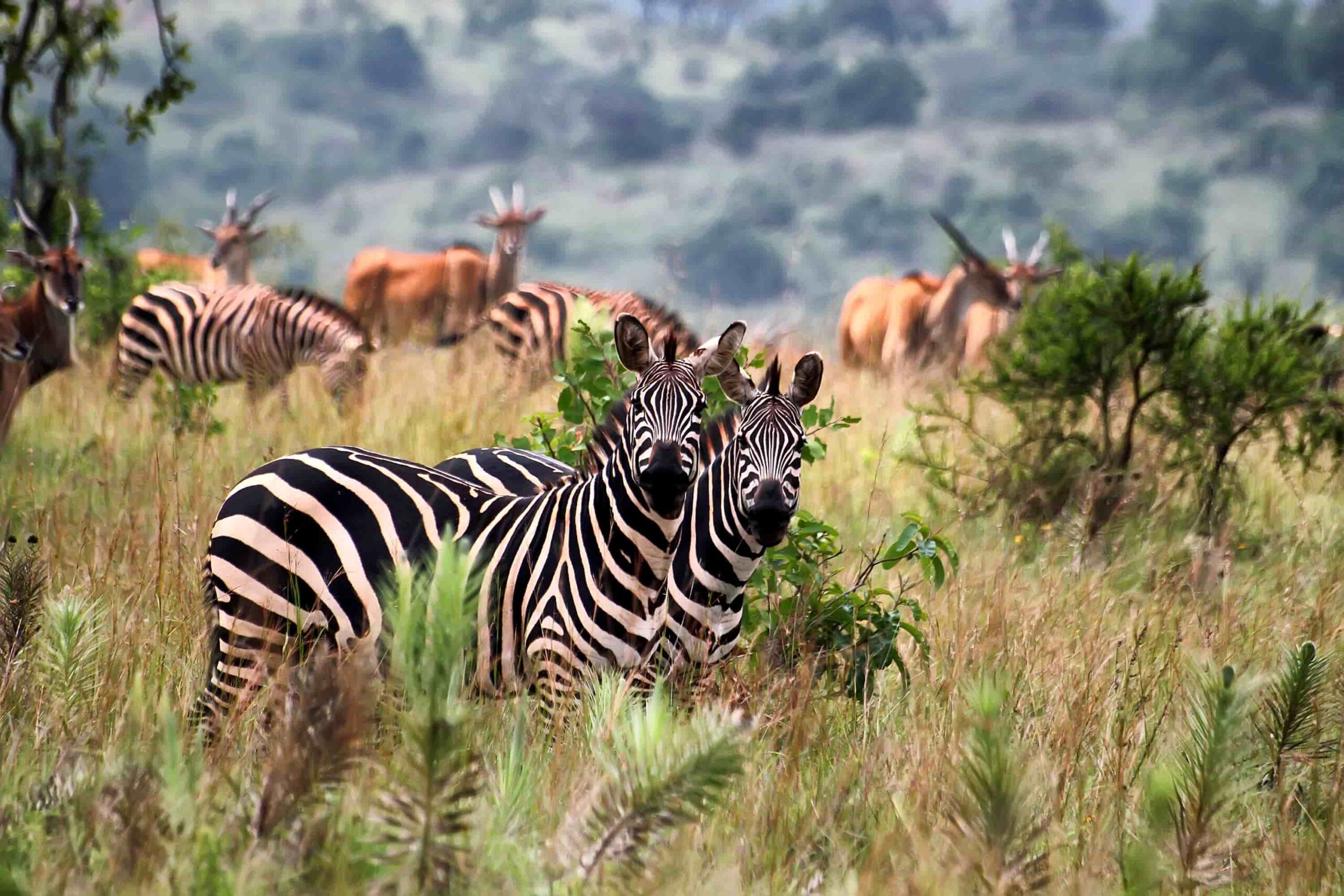
Because of this, the reader feels like they are already on safari.
Step 5: Add Real Examples
Examples make your content stronger.
For instance:
A blog about gorilla trekking can include:
- The trekking experience
- The moment of seeing gorillas
- The environment of the forest
As a result, readers stay longer on your page, which improves SEO.
Step 6: Use Transition Words
To make your blog flow naturally, transition words should be used.
Examples include:
- However
- In addition
- Because of this
- As a result
- Furthermore
- Therefore
These words help connect ideas and improve readability.
Step 7: Use Passive Voice (Mix It Well)
Google prefers a mix of active and passive voice.
For example:
Instead of:
“We guide tourists through the forest.”
You can write:
“Tourists are guided through the forest by experienced rangers.”
Because of this, your writing sounds more professional and balanced.
Step 8: Add an FAQ Section
This is a powerful SEO trick.
FAQs help your blog appear in Google snippets.
What are wildlife blogs?
Wildlife blogs are articles that focus on animals, nature, and safari experiences.
Why are wildlife blogs important?
They help attract readers, improve SEO, and promote tourism businesses.
How long should a wildlife blog be?
A good wildlife blog should be between 800 to 1500 words for better ranking.
Step 9: Add Internal Links
Always link your blog to other pages.
For example:
Because of this, Google understands your website structure better.
Step 10: End with a Strong Call to Action
This is where readers are turned into clients.
For example:
If you want wildlife blogs that attract visitors and bring real customers to your website, Hopeful Web & SEO can help you.
We create SEO-optimized blog content designed specifically for tourism businesses, safari companies, and travel brands.
Contact us today and start building content that brings results.
The Hidden Strategy (Content Clusters)
This is something most people don’t know.
Instead of writing one wildlife blog, multiple related blogs should be created.
Example:
Main blog:
- How to Write Wildlife Blogs
Supporting blogs:
- Gorilla trekking blogs
- Birding blogs
- Safari destination blogs
- Wildlife photography tips
All these blogs should link to each other.
Because of this, Google starts seeing your website as an authority.
Learning how to write wildlife blogs takes practice, but once it is mastered, it becomes one of the most powerful tools for growing a website.
With the right keywords, structure, storytelling, and SEO strategy, wildlife blogs can bring consistent traffic and real business results.