
Why Tourism Website Design Matters
Tourism website design plays a critical role in helping safari companies attract travelers from around the world. Today, most tourists search online before booking any travel experience. Because of this, a professional website is often the first impression a tour company makes. If the website looks outdated or loads slowly, potential clients may leave and choose another operator.
For tourism businesses, a well-designed website is more than just an online brochure. It is a powerful marketing tool that helps companies build trust, share travel experiences, and convert visitors into paying customers.
Why Tourism Website Design Matters for Travel Businesses
A strong tourism website design helps businesses present their services in a clear and attractive way. Travelers want to see destinations, safari packages, wildlife experiences, and accommodation options before they decide to book a trip.
Because of this, websites in the tourism industry must include high-quality images, clear navigation, and informative content. When these elements are combined properly, visitors are more likely to stay longer on the site and explore different safari packages.
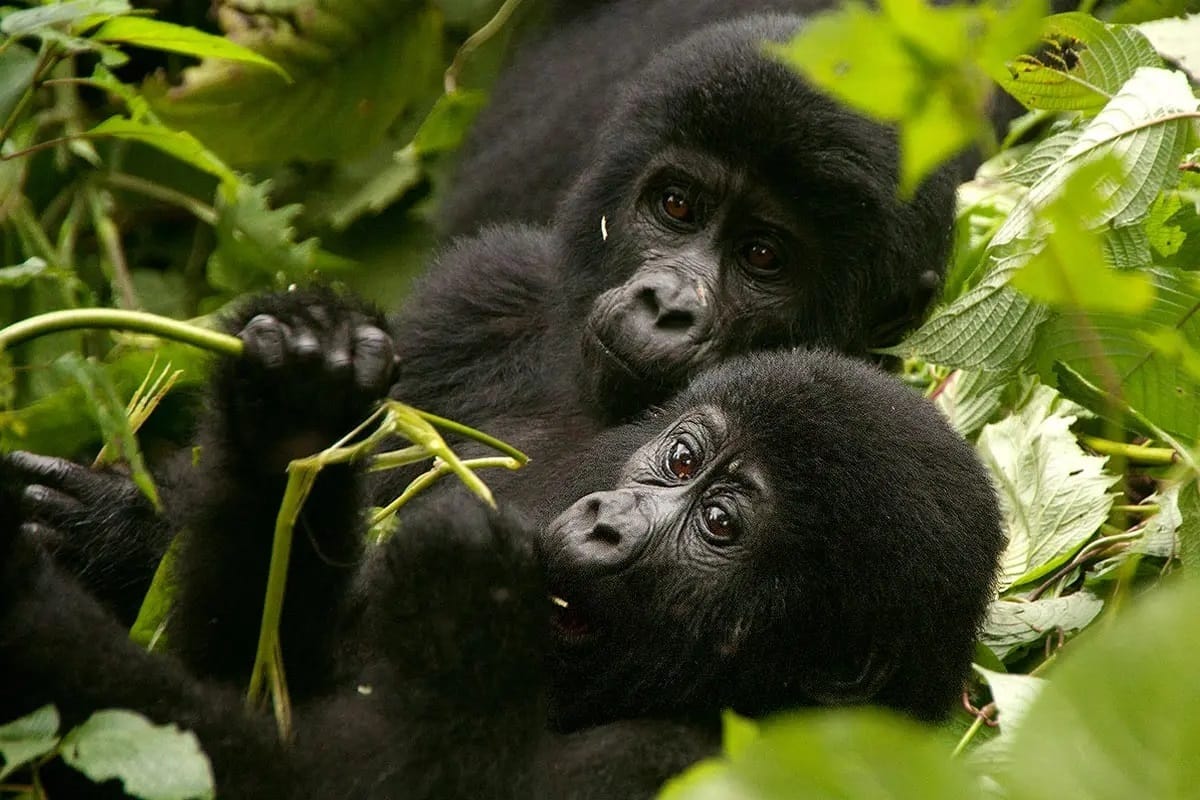
For example, a visitor searching for gorilla trekking in Uganda will often visit several websites before choosing a tour company. If one website looks professional and provides detailed information, it will naturally build more trust.
First Impressions Are Made Online
Today, the first interaction many travelers have with a company happens online. A modern tourism website design ensures that the first impression is positive.
A well-designed website should include:
Clear safari itineraries
Beautiful wildlife photography
Easy contact forms
Fast loading speed
Mobile-friendly design
When these features are present, visitors feel confident that the company is professional and reliable.
Tourism Websites Help Companies Reach Global Travelers
One of the biggest advantages of a strong tourism website design is the ability to reach international customers. Tourists from Europe, America, and Asia often research destinations months before traveling.
Because of this, having a website allows safari companies to showcase their destinations to the entire world. A visitor in Germany or the United States can easily learn about wildlife safaris, national parks, and cultural experiences in East Africa.
Without a website, businesses may miss many of these opportunities.
SEO Makes Tourism Websites Visible
Search engine optimization is another important part of tourism website design. SEO helps websites appear in search results when people search for travel experiences.
For example, a traveler might search for:
Uganda safari packages
Gorilla trekking tours
Best wildlife safaris in East Africa
If a tourism website is properly optimized, it can appear in these search results and attract organic visitors. Over time, this traffic can generate a steady flow of booking inquiries.
Because of this, many successful tour companies invest in both website design and SEO.
A Good Tourism Website Tells a Story
Travel is emotional. People dream about exploring new places, seeing wildlife, and experiencing different cultures. A strong tourism website design should capture this excitement.
Storytelling can be done through blog articles, safari guides, and destination descriptions. When visitors read about real experiences, they can imagine themselves on the adventure.
For example, a blog about tracking mountain gorillas in the forest can inspire travelers to add Uganda to their travel bucket list.
Mobile Friendly Websites Are Essential
Many travelers use their phones to research destinations and travel experiences. Because of this, mobile optimization has become a key part of tourism website design.
A mobile-friendly website ensures that:
Pages load quickly
Images display properly
Text is easy to read
Navigation is simple
When websites perform well on mobile devices, visitors are more likely to stay and explore the content.
Tourism Websites Help Generate More Bookings
One of the main goals of tourism website design is to turn visitors into customers. This can be achieved by guiding visitors through a clear journey.
For example, a visitor may first read a blog about gorilla trekking. Then they explore safari packages, view photos, and finally send an inquiry.
When websites are structured properly, this journey happens naturally. As a result, businesses receive more inquiries and more bookings.
Why Professional Web Design Is Important
Although many businesses attempt to build their own websites, professional tourism website design usually produces better results. Experienced developers understand how to create fast, secure, and visually attractive websites.
They also ensure that the website follows modern SEO practices, which improves visibility in search engines.
For safari companies, this investment often leads to higher online visibility and more international clients.
What is tourism website design?
Tourism website design is the process of creating websites specifically for travel businesses such as tour companies, safari operators, and travel agencies. These websites showcase destinations, itineraries, and booking information.
Why do safari companies need a website?
Safari companies need websites to reach international travelers, present safari packages, and receive booking inquiries online.
How does SEO help tourism websites?
SEO helps tourism websites appear in search engine results when travelers search for safari destinations or travel experiences.
How long does it take to build a tourism website?
Most professional tourism websites can be developed within a few weeks depending on the features and content required.
Call to Action
If you run a tour company, lodge, or travel business, having a professional website can transform your online presence. At Hopeful Web & SEO, we specialize in tourism website design, SEO blog writing, and digital solutions for travel businesses.
Contact us today and let us help you build a website that attracts travelers and turns visitors into bookings.


